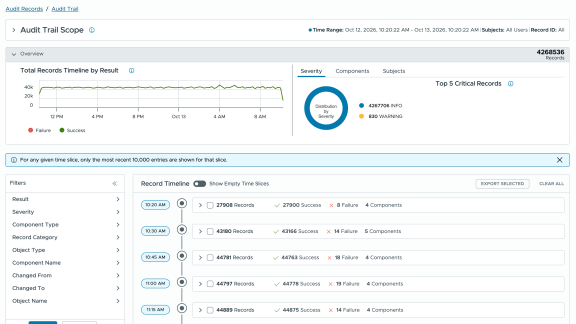

Cloud cost management has historically been a fragmented landscape. Every provider speaks a different language. Public clouds have their own format. This creates a massive “Translation Tax,” where organizations spend a lot of their cloud financial management time simply cleaning and normalizing data rather than analyzing or optimizing it. Cloud providers expose cost and usage data in different formats, schemas, and taxonomies, forcing FinOps teams to spend significant effort normalizing and reconciling data before meaningful analysis can occur. FOCUS was created to address this challenge through a common cost and usage specification.

Figure 1: VCF uses FinOps
At Broadcom, we believe financial clarity should be a strategic advantage, not a manual burden. That is why we are aligning VCF 9.1 with the FinOps Open Cost & Usage Specification (FOCUS) for private cloud using VCF, the global cost and value standard that translates disparate cost data into one single standard to compare.
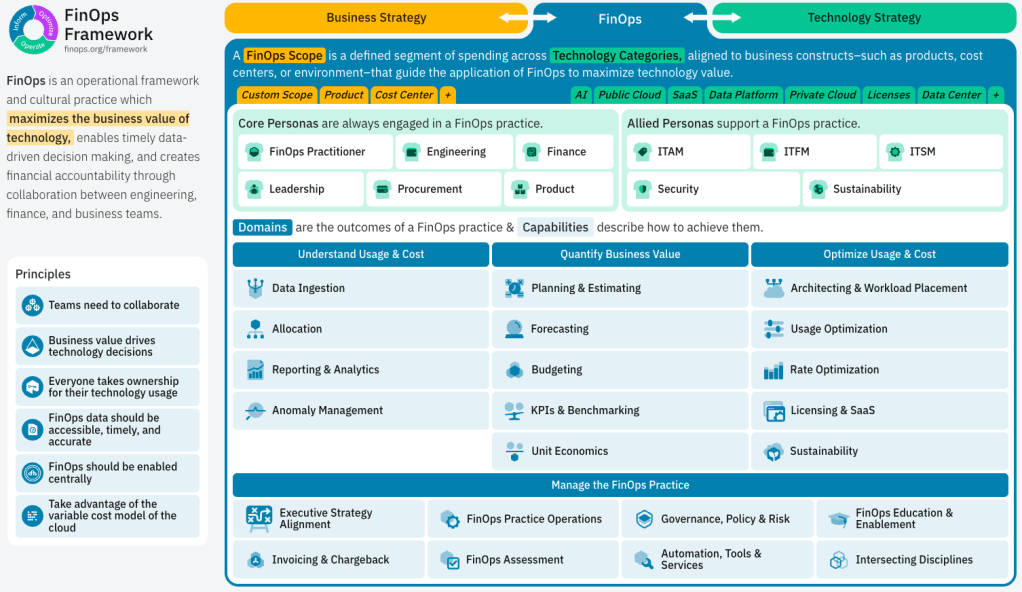
Figure 2: FinOps Framework by FinOps Foundation
What is FOCUS?
Think of FOCUS as the universal currency exchange for cloud cost management. Just as exchange rates allow you to compare prices across different countries, FOCUS lets you compare costs across all your cloud providers in one universal format. Developed by the FinOps Foundation, this open standard eliminates weeks of manual translation, allowing teams to see their entire cloud spend in a single, “apples-to-apples” view.
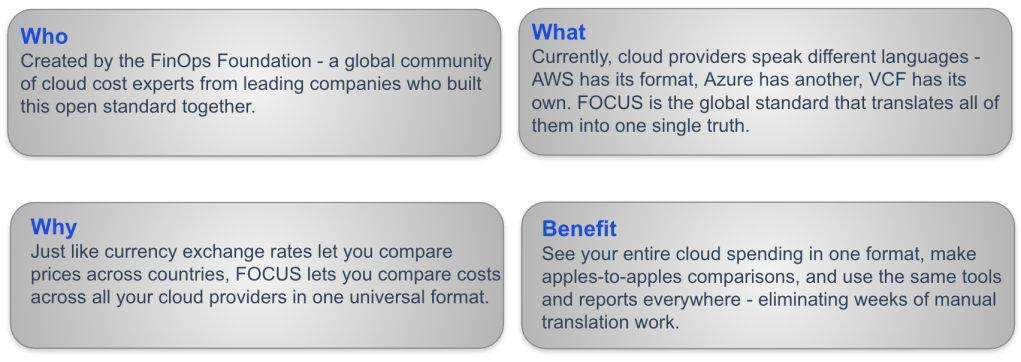
Figure 3: Who, What, Why and Benefits of FOCUS
How FOCUS works
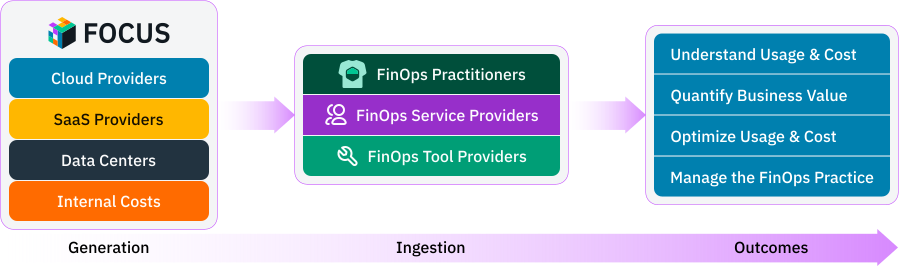
FOCUS normalizes billing data from different sources, reducing the amount of work needed to begin FinOps analysis, and enabling businesses to refocus that energy on activities that are more strategic and worthwhile.
It streamlines the FinOps lifecycle by normalizing disparate billing data from cloud, SaaS, and internal sources into a consistent, actionable format, for both – bill data generator and consumers. By simplifying the data ingestion process for practitioners and tool providers, it allows organizations to shift their energy from manual data cleanup toward strategic outcomes like cost optimization and quantifying business value.
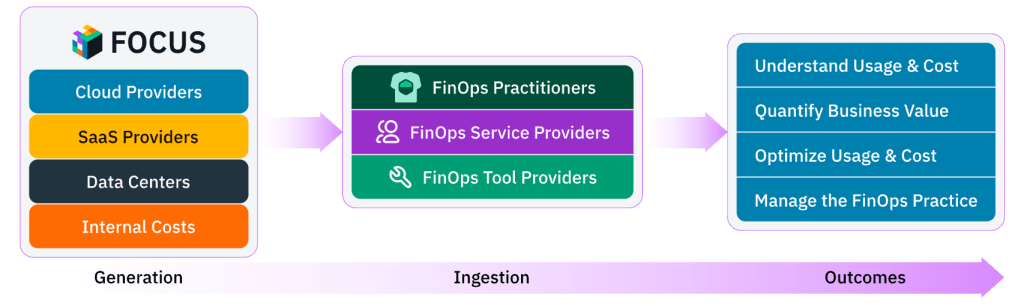
Figure 4: FOCUS flow diagram by FinOps Foundation
Who uses FOCUS
FOCUS creates a shared vocabulary that bridges the gap between billing data generators, such as cloud and SaaS providers, and data consumers like FinOps practitioners.
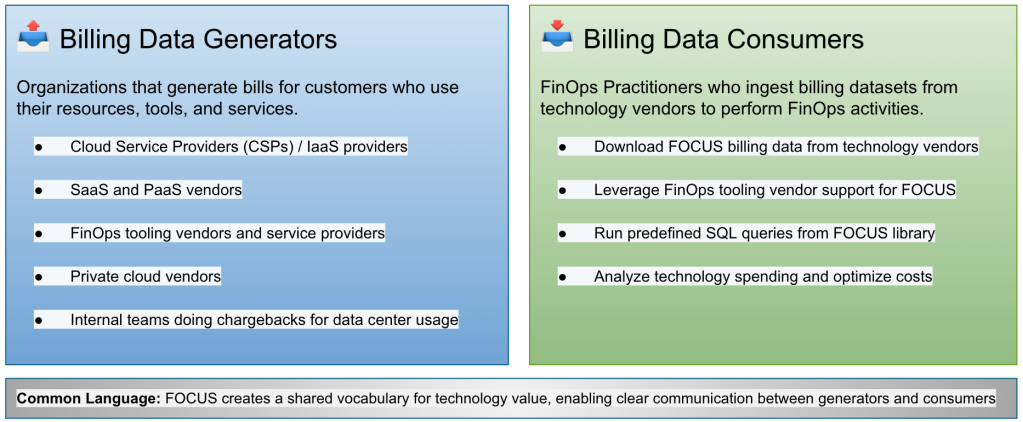
Figure 5: Who uses FOCUS
This common language enables teams to efficiently ingest and analyze complex billing datasets, ensuring clear communication and more effective optimization of technology spending.
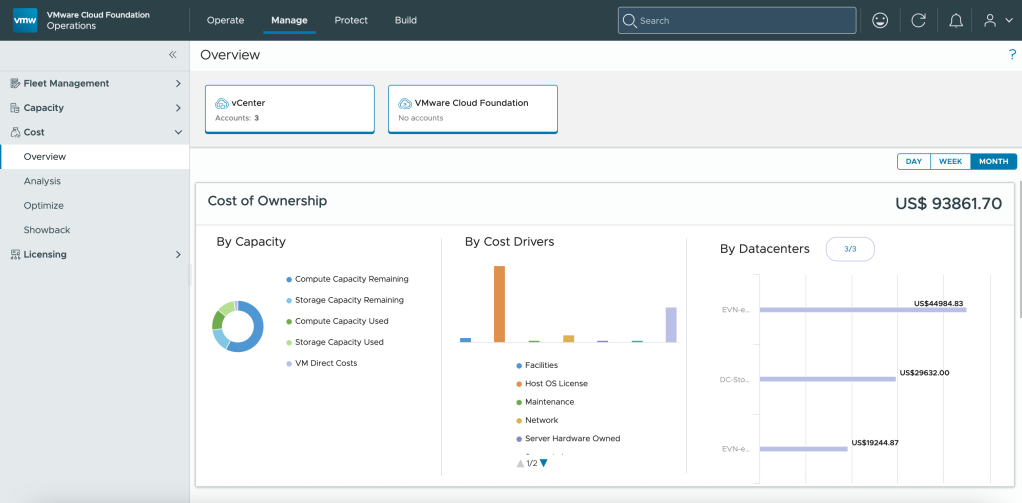
Figure 6: Cost Overview in VCF Operations
Benefits of FOCUS
FOCUS drives efficiency across the FinOps ecosystem by standardizing billing data, allowing practitioners and tool providers to shift their focus from manual data normalization to high-impact strategic capabilities.
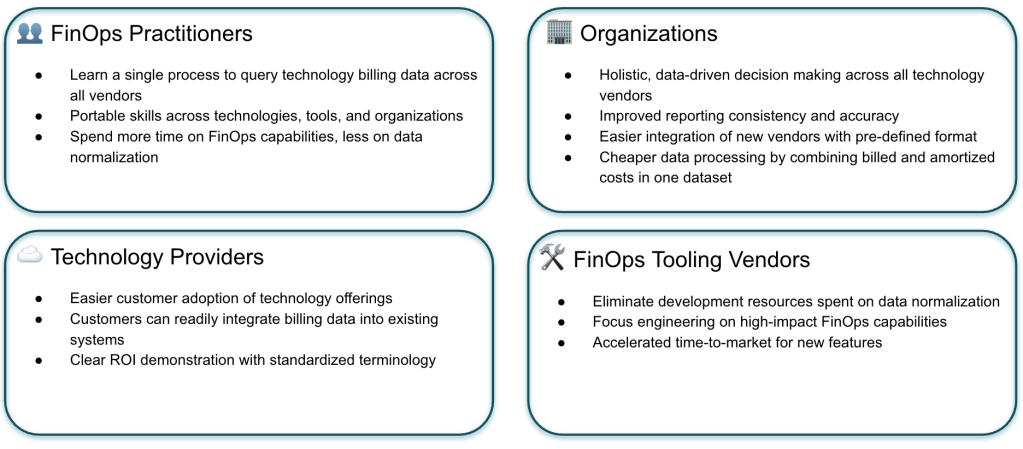
Figure 7: Benefits for different personas
Organizations benefit from holistic, data-driven decision-making and reduced processing costs, while technology providers enjoy faster customer adoption through a shared, transparent vocabulary.
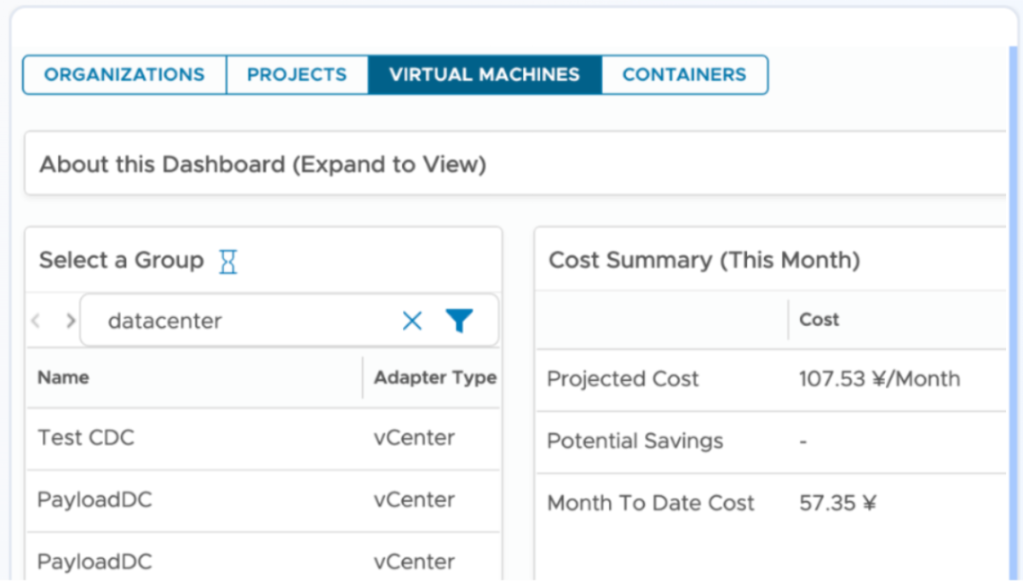
Figure 8: Cost Projection in VCF Operations
The Urgency of 2026
We have reached a tipping point where financial transparency is no longer optional. Based on a study by The Linux Foundation, as of 2026, the competitive landscape has fundamentally shifted:
- 98% of teams are now managing AI costs, a massive jump from 31% in 2024.
- 78% of FinOps practitioners now report directly to the CTO or CIO, signaling the strategic elevation of cost management.
- Over $83B in cloud spending is now tracked through these standardized practices.
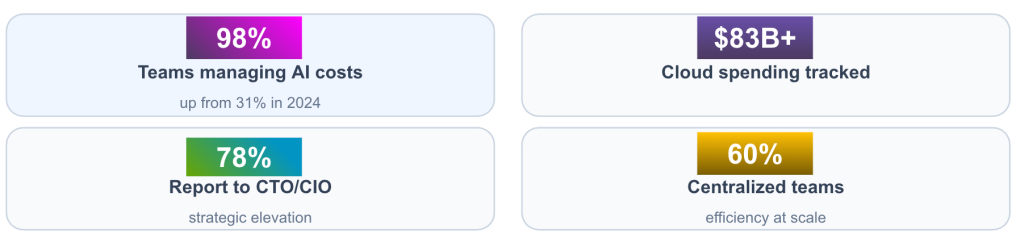
Figure 9: The Urgency
Business Value derived from Focus
FOCUS drives significant business value by enabling real-time cost tracking for AI and GPU workloads, automated waste elimination, and strategic executive dashboards within VMware Cloud Foundation.
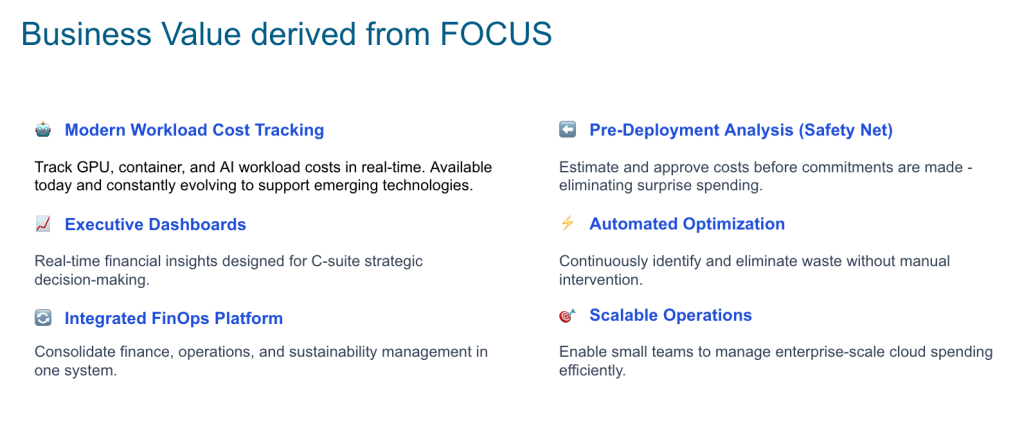
Figure 10: Business Value
By consolidating finance and capacity management, it allows even small teams to scale operations efficiently and eliminate surprise spending through proactive analysis. This framework provides the data-driven foundation necessary for organizations to achieve total visibility and control over their hybrid cloud investments.
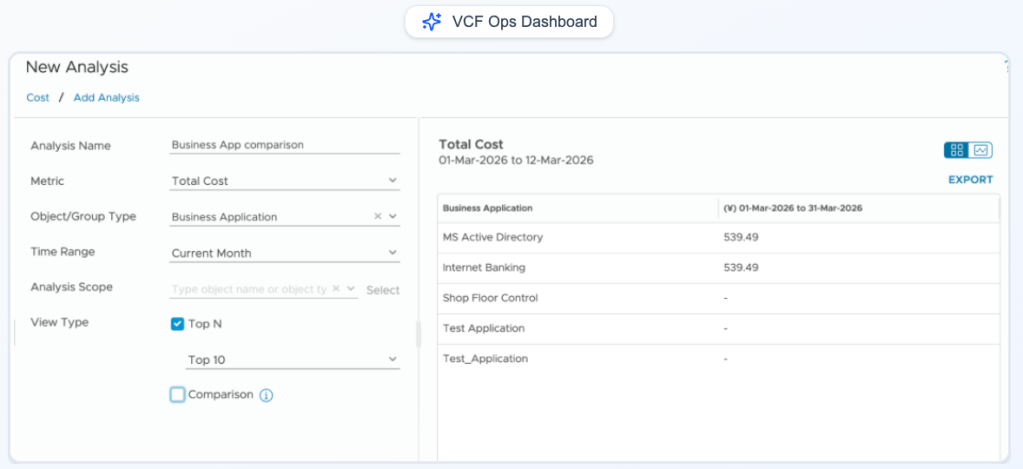
Figure 11: Cost Analysis in VCF Operations
VCF + FOCUS: 100% Use Case Coverage
VCF Operations provides 100% coverage of the standard FinOps use cases defined by FOCUS. With eight capabilities available out-of-the-box and four easily configurable ones, VCF Operations ensures your private cloud infrastructure meets global standards.
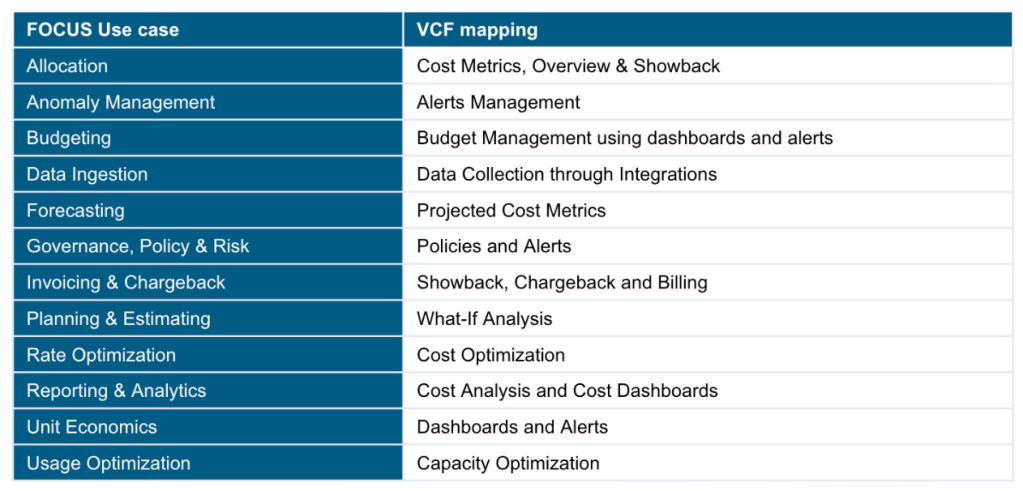
Figure 12: FOCUS use case coverage in VCF 9.1
Conclusion: Unlocking Financial Clarity
Harness the power of VMware Cloud Foundation (VCF) aligned with the FOCUS global standard to bridge the visibility gap between private and public cloud ecosystems. By normalizing VCF’s rich telemetry into the standardized FOCUS schema, organizations can finally perform direct, ‘apples-to-apples’ cost comparisons across their entire hybrid estate. VCF is a transparent data engine, allowing you to benchmark on-premises workload costs against hyperscaler alternatives with total precision. With 100% use case coverage and real-time tracking, you gain the financial clarity required to move beyond guesswork – enabling you to strategically determine the most cost-effective location for every workload while managing enterprise-scale investments with absolute confidence.
Visit the VMware Cloud Foundation Operations webpage for more details.
Discover more from VMware Cloud Foundation (VCF) Blog
Subscribe to get the latest posts sent to your email.